

Museum Renovation
Preserving Heritage, Building the Future
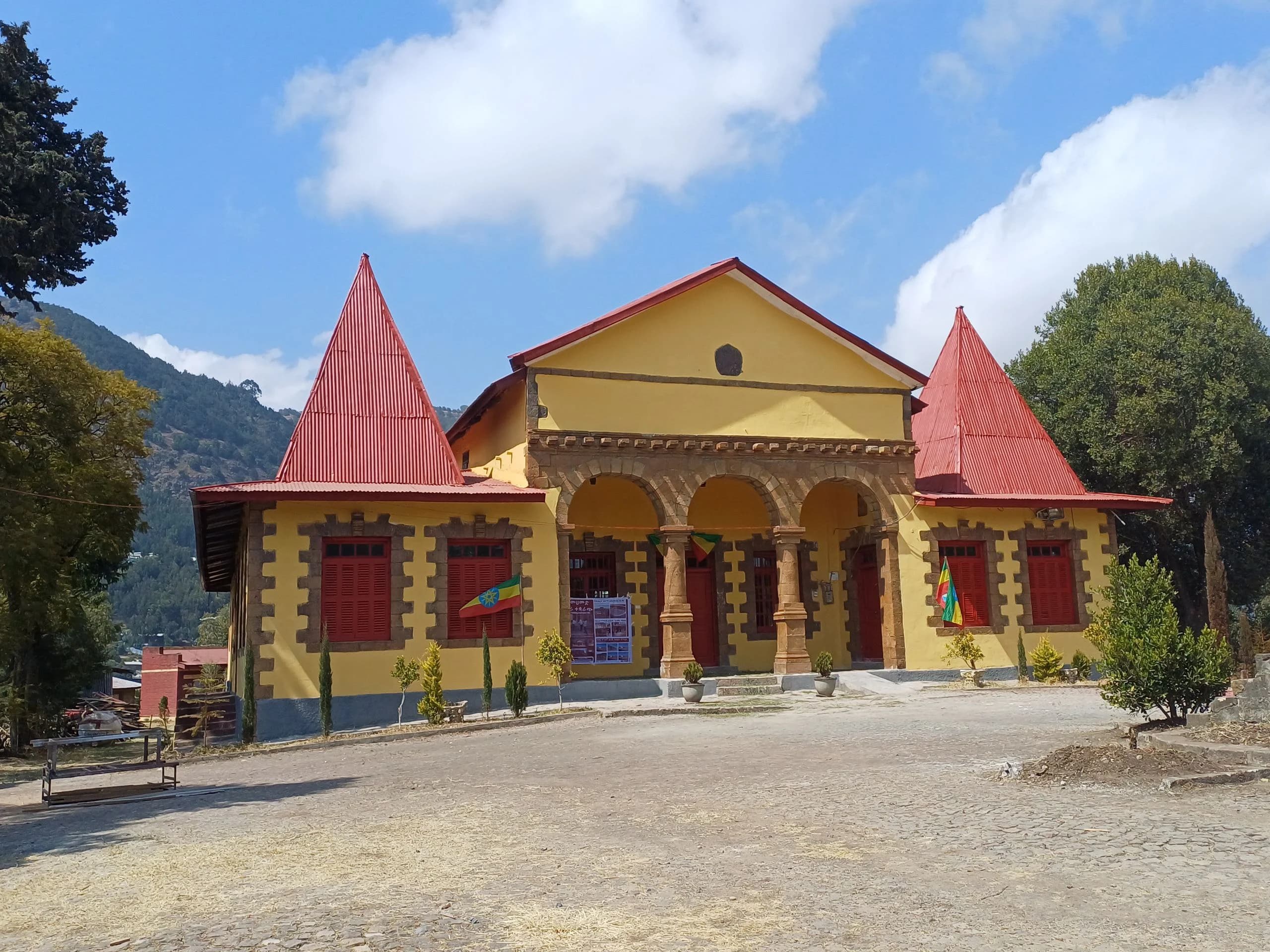
Dessie Museum Renovation Project: Overview
Project background
The Dessie Museum renovation was launched to restore and re-open the museum after severe impacts from the conflict in northern Ethiopia (2020 – 2022) and the effects of climate change. The project is implemented by the Ethiopian Heritage Trust and was funded by the British Council Cultural Protection Fund.
Funding & timeline
The project received funding of £405,810.84 from the British Council's Cultural Protection Fund. It launched in February 2022 and is scheduled for completion in December 2025.
Scope & focus
Works focus on improving access to Ethiopia's cultural heritage by combining conservation with infrastructure improvements and policy development. Key areas include:
- Full-scale renovation of interior and exterior spaces.
- Upgrades to infrastructure and visitor amenities.
- Preventive conservation measures including new institutional policies and codes of ethics.
- Development of management plans for long-term stewardship.
Capacity building & community engagement
Capacity building is central to the work. The project delivered training for local communities, volunteers, heritage experts, and museum staff to strengthen knowledge in cultural heritage preservation. Community outreach engaged students, teachers, and the public to raise awareness about the importance of safeguarding cultural artifacts.
Documentation & promotion
The project documented progress through photographs and video, which were used to promote Ethiopian heritage and to preserve an archival record of the conservation journey.
Challenges encountered
- Security concerns related to post-conflict conditions.
- Unanticipated repair needs discovered during restoration.
- Inflation and currency devaluation increased costs.
- Difficulty sourcing authentic local materials for restoration.
Lessons learned
The Ethiopian Heritage Trust gained practical experience in implementing renovation work in post-conflict environments. Key lessons include the importance of strong collaboration with partners and local communities, the need to rescope and make proactive decisions when circumstances change, and relying on effective teamwork—particularly when managing security-related challenges.
Project stakeholders
- Client: Ethiopian Heritage Trust
- Funded by: British Council's Cultural Protection Fund
- Contractor: Jemal Mohammed Building Contractor
- Consultant: Elifign Architect Engineering
Partners
- Ethiopian Heritage Authority
- Amhara Culture and Tourism Bureau
- Dessie Culture and Tourism
- Wollo University
- Amhara Economic and Finance Bureau
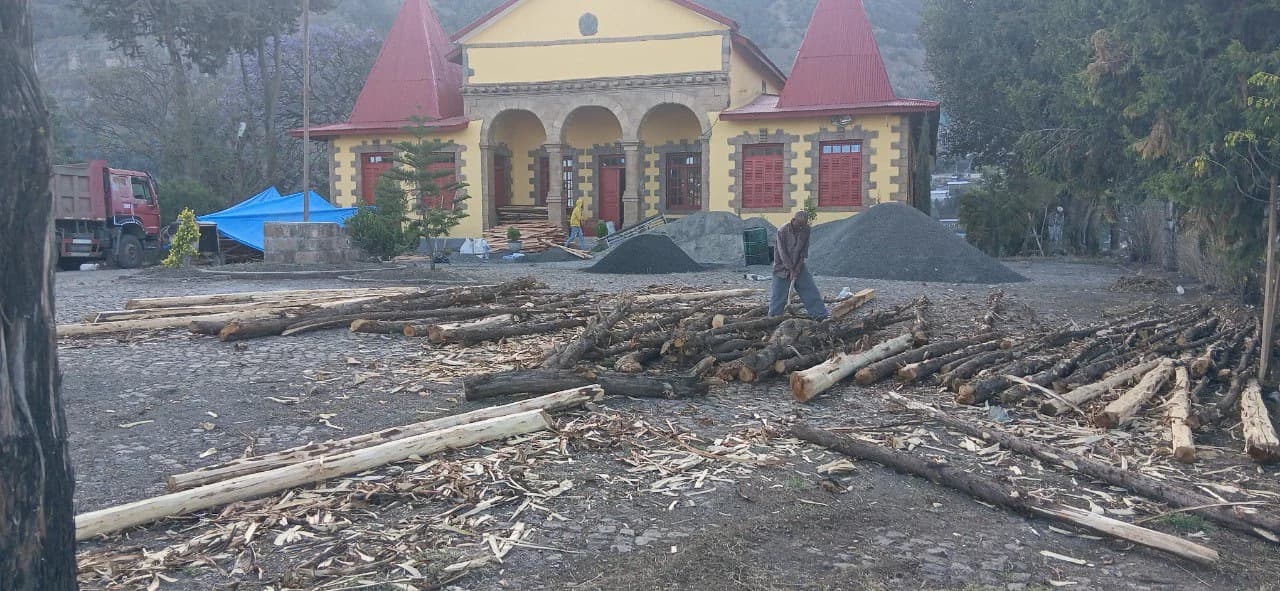
Physical Renovation
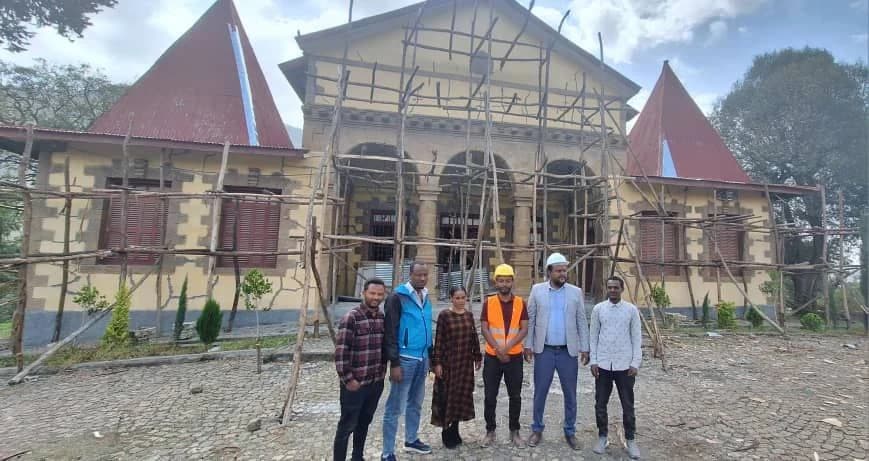
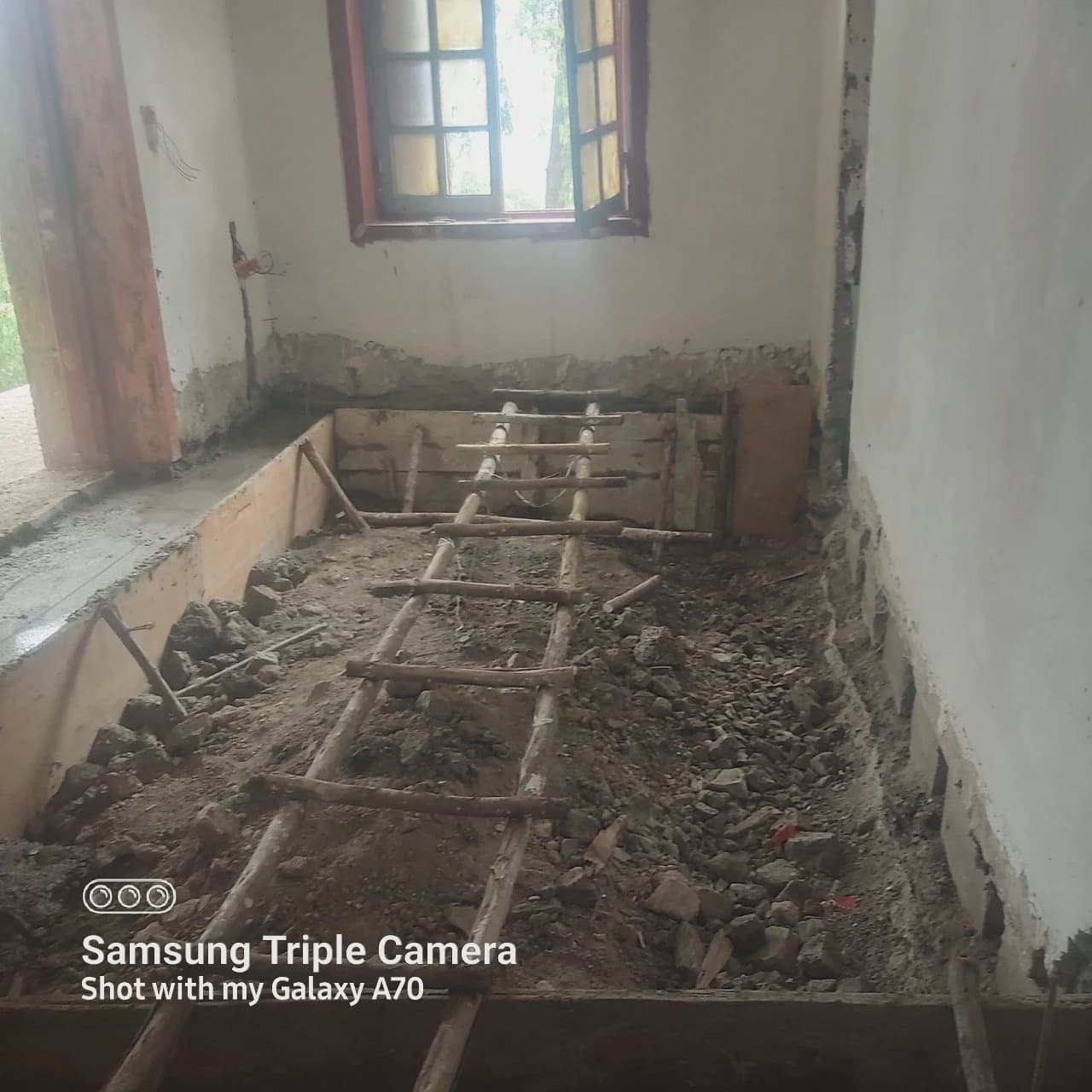
Structural assessment and foundation reinforcement to ensure long-term stability.
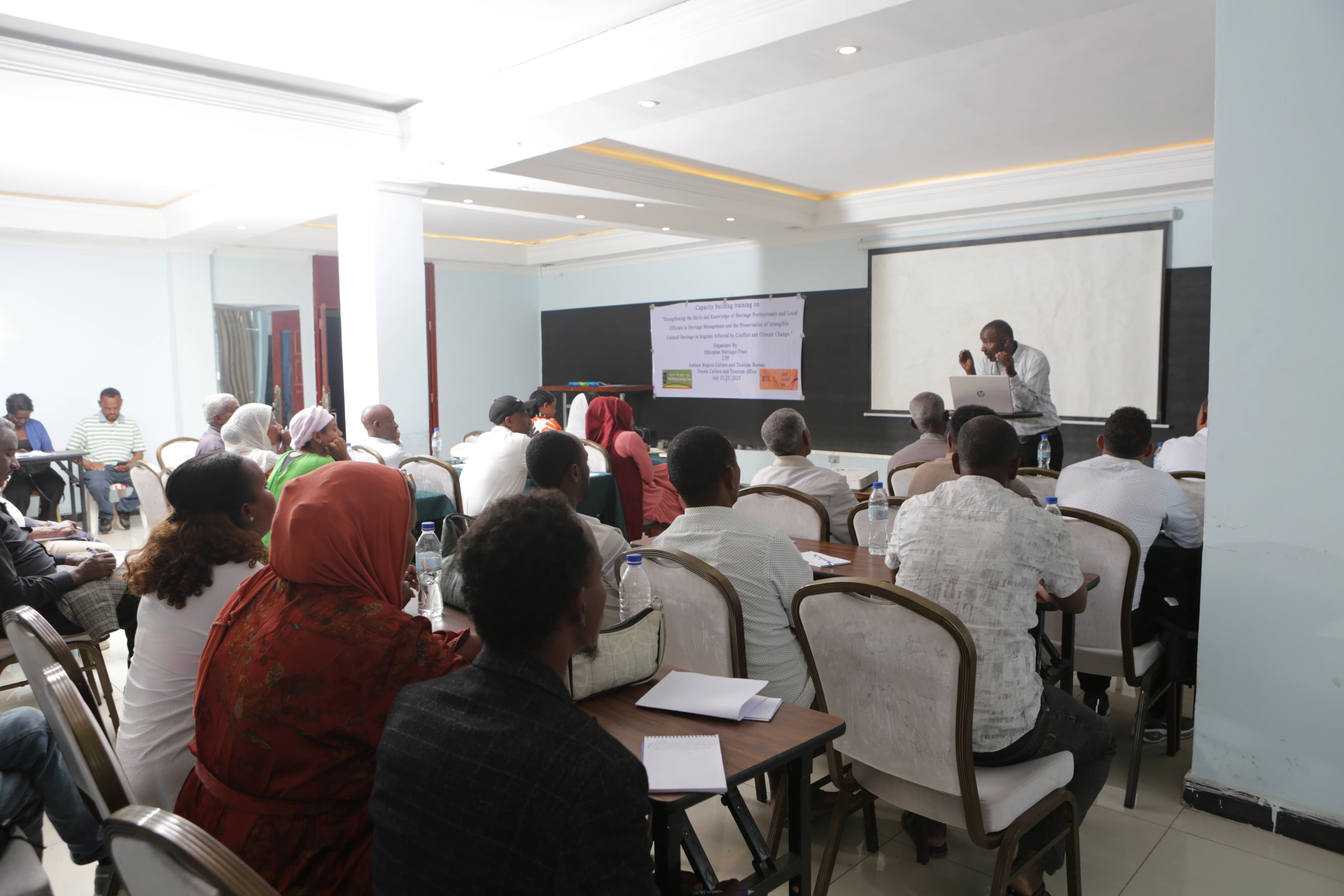
Capacity Building and Training
Training staff and enhancing skills for better museum operations and management.
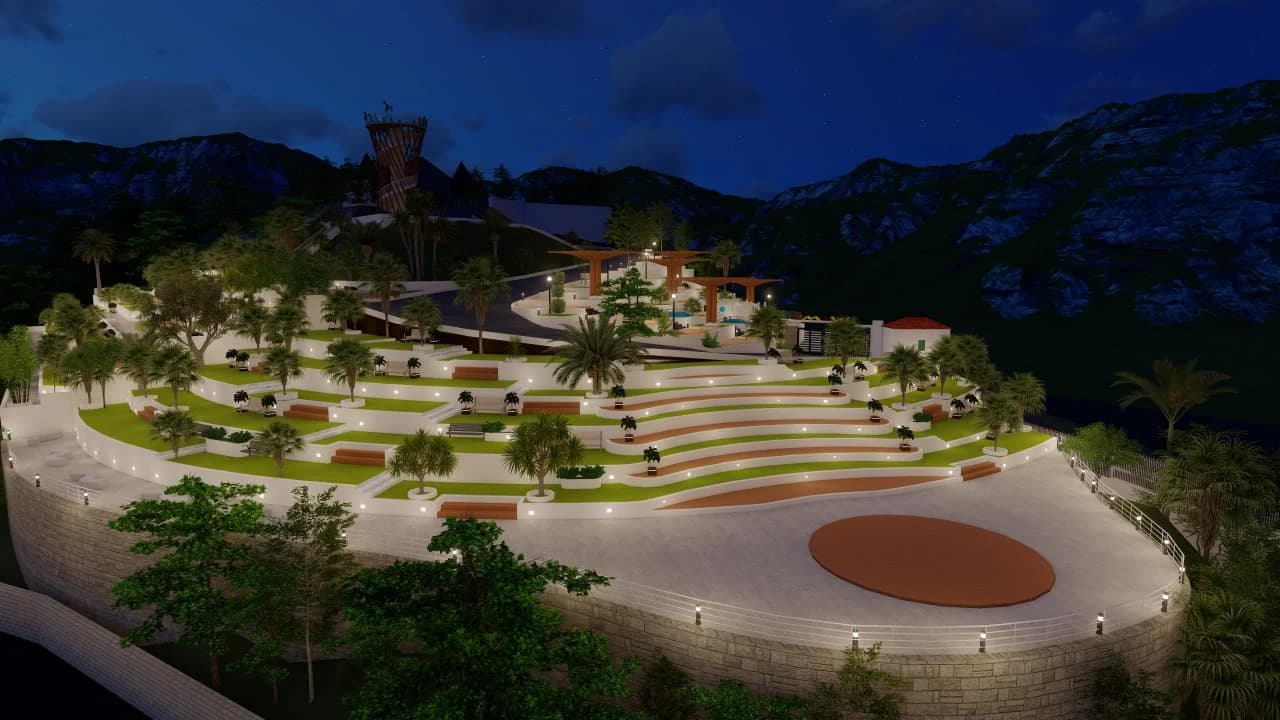
Preventive Measures
Implementing preventive strategies to protect the museum and ensure long-term preservation of it's collection.
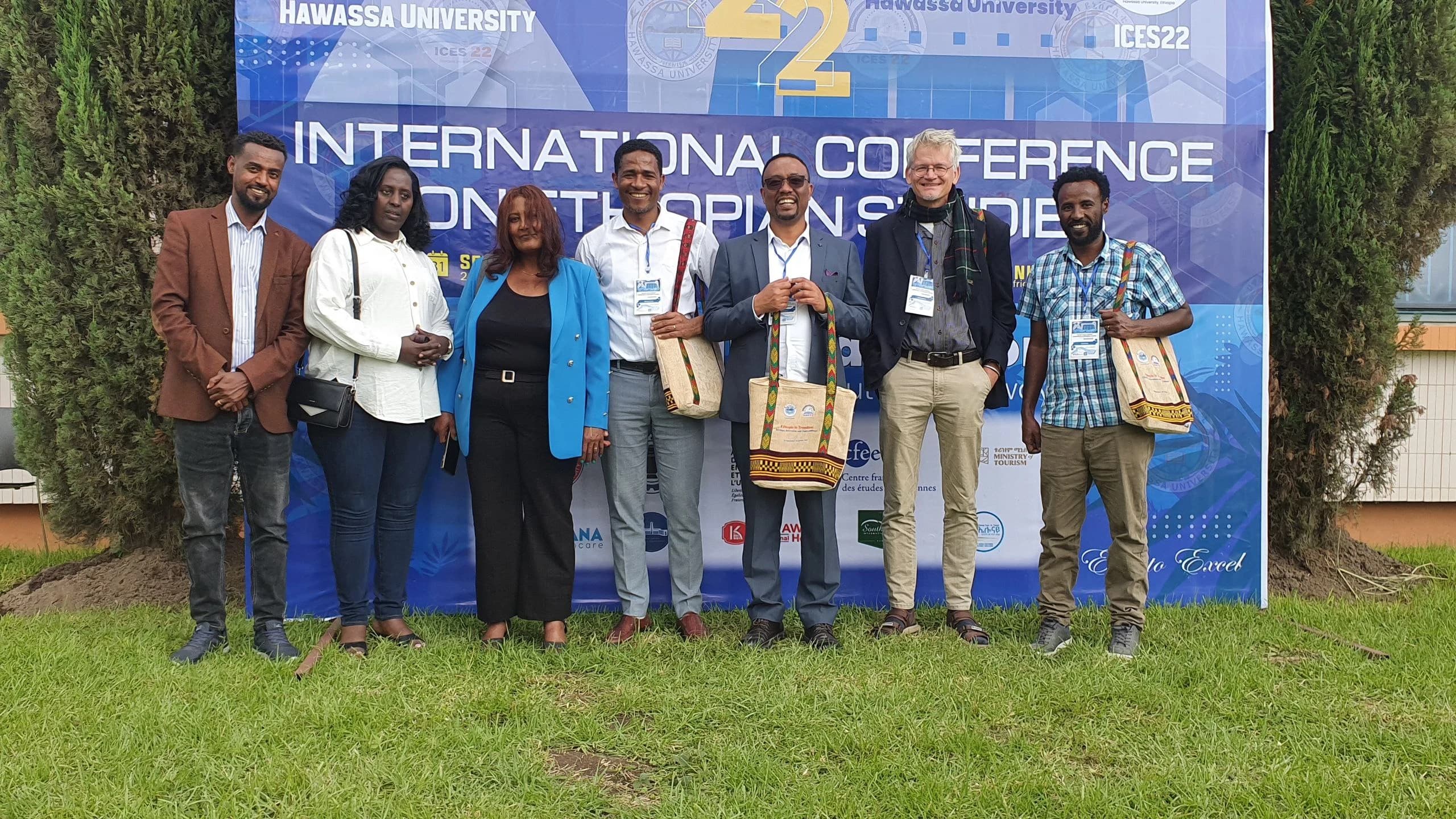
Publicity, Promotion and Documentation
Promoting the museum's renovation and cultural heritage to attract visitors and stakeholders.
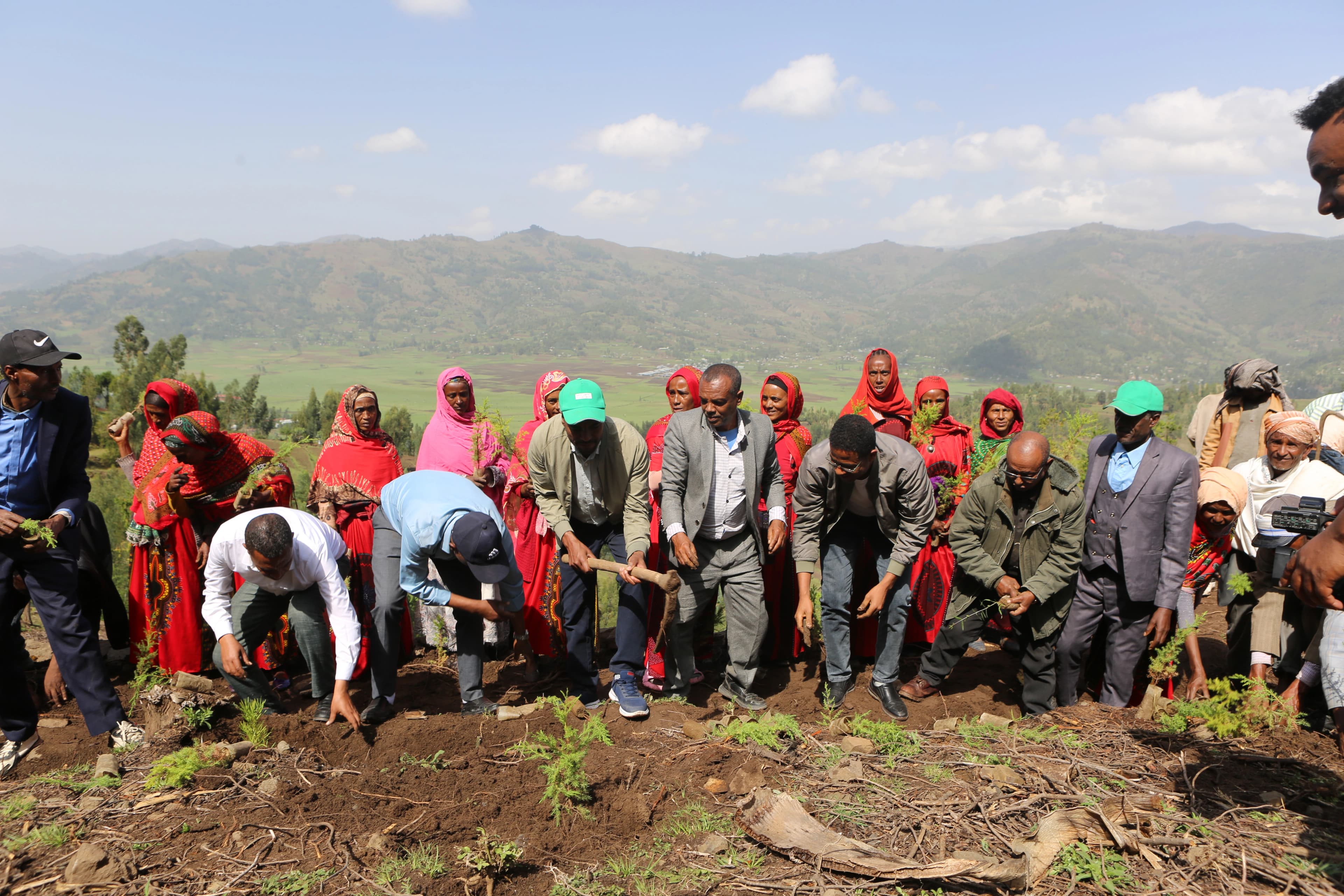
Environmental Restoration and Greening Efforts
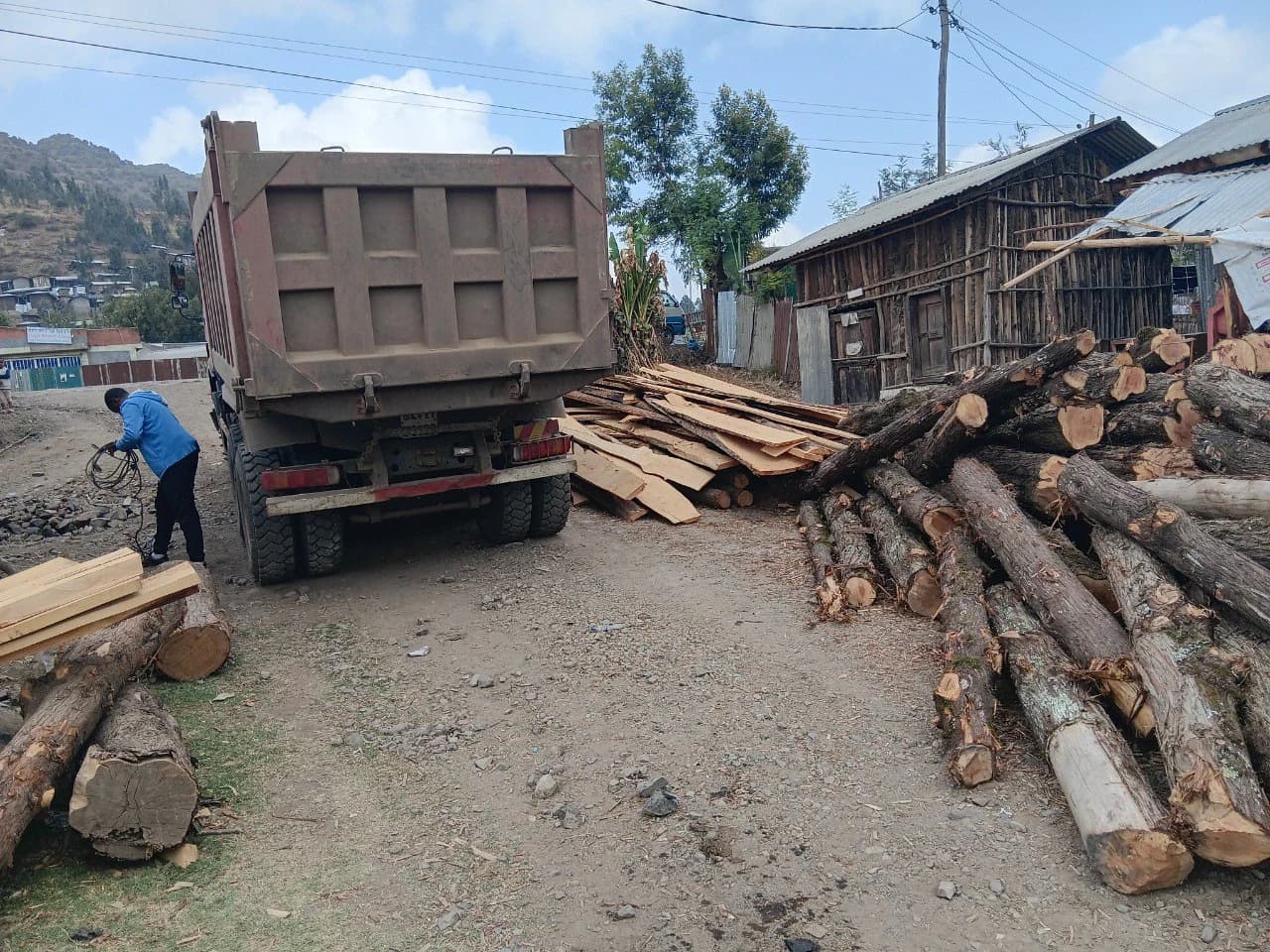
A total of 13,300 indigenous trees were planted in the museum compound and in Albuko woreda to promote environmental sustainability and offset trees removed during construction.
Major Project Achievements
Physical Renovation Work
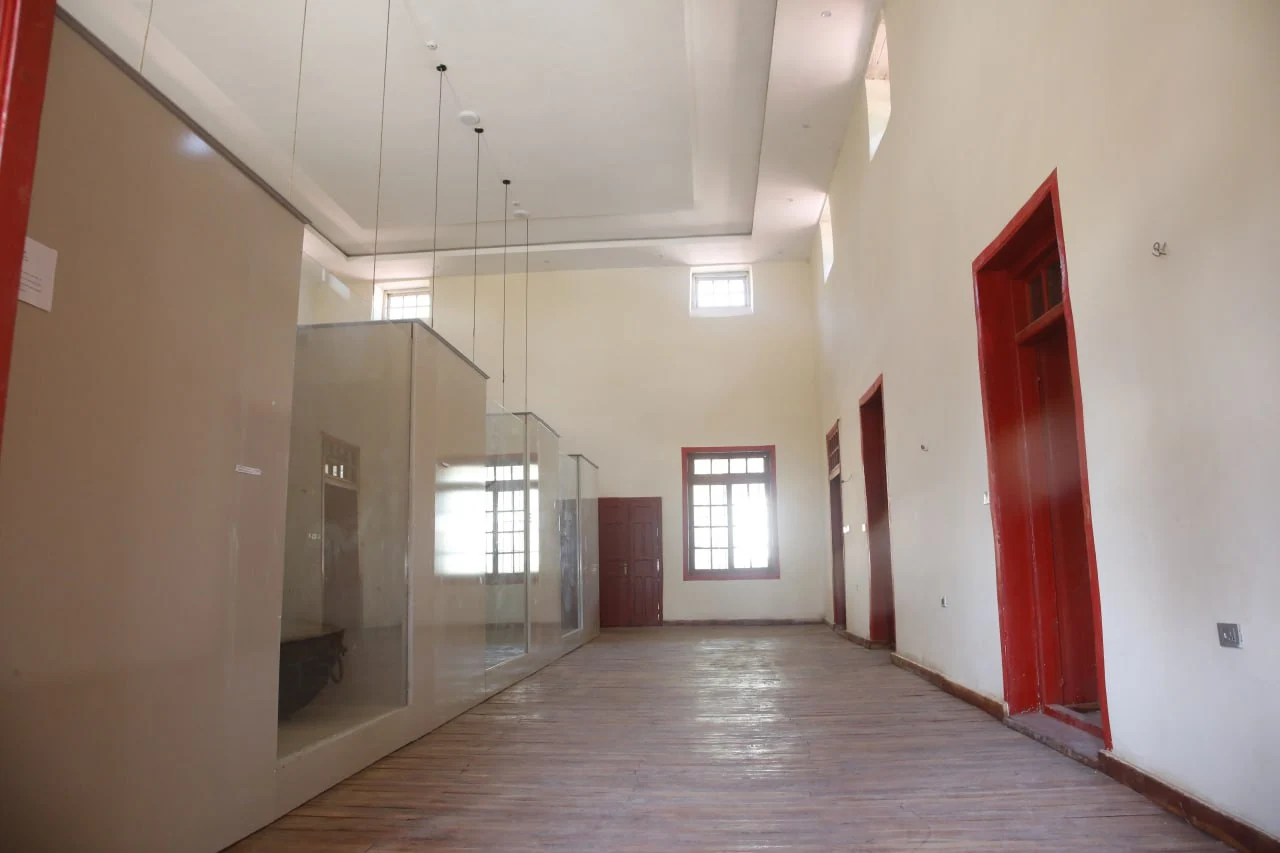
- The old walls, doors, windows, ceilings, roofs, floors, and stairs were removed and replaced with new materials, fully renovating the structure.
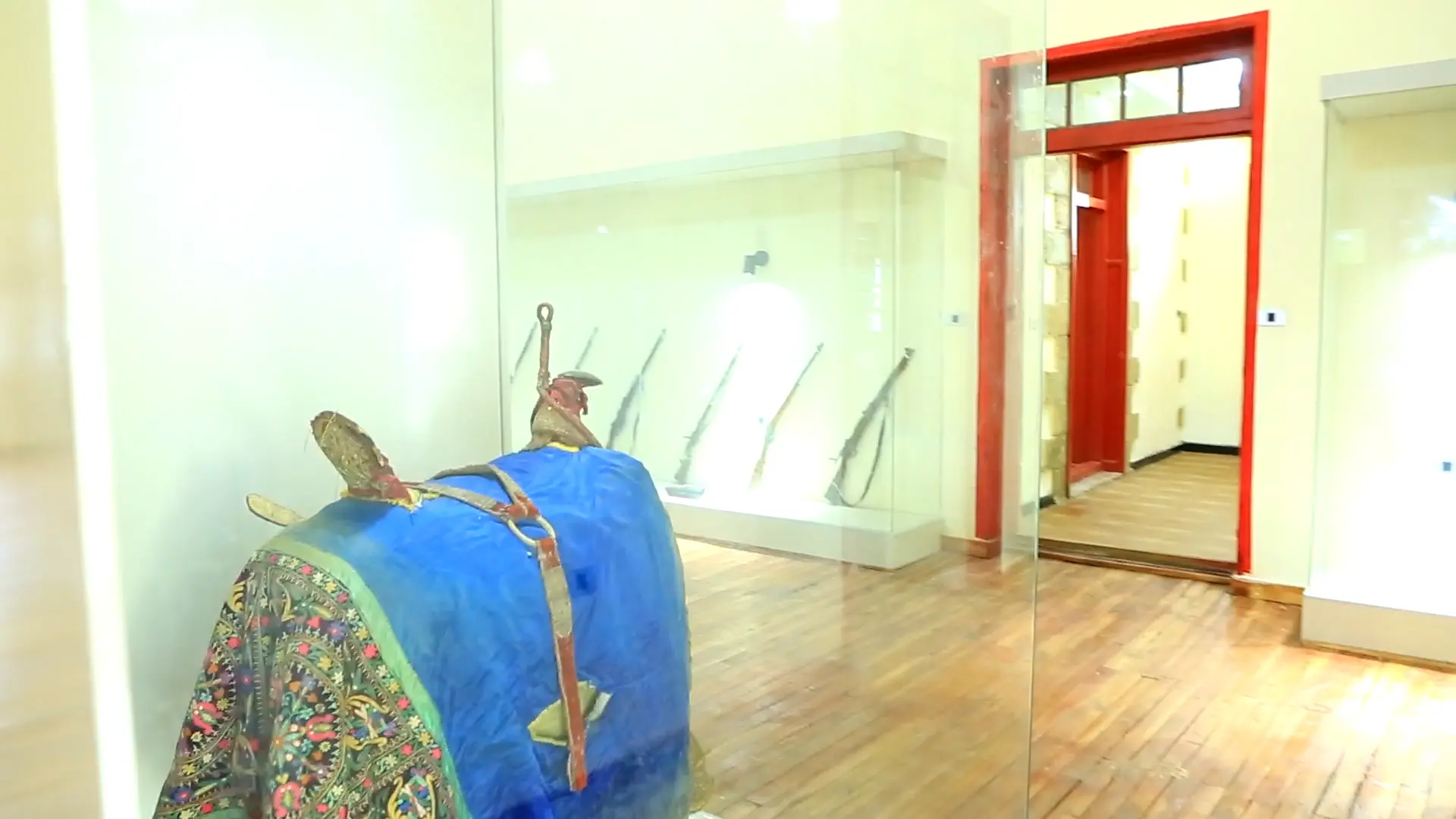
- Installation of 27 new museum display cases.
- Complete installation of a new electrical system.
- Full maintenance and improvement of toilet rooms and water facilities.
- Installation of digital screen and internet access.
Environmental Restoration and Greening Efforts
- As part of the Dessie Museum’s greening and environmental mitigation efforts, the project implemented a large-scale native tree restoration program to replace indigenous trees removed during renovation. A total of 13,300 indigenous seedlings were planted—12,850 in Albuko and 450 within the museum compound—across a 5-hectare area with supporting soil and water conservation measures such as terracing. This achievement far surpassed the original mitigation target, which aimed to replace fewer than 1,000 trees removed for renovation. Strong community participation and collaboration with local authorities played a key role in achieving this milestone.
- The initiative serves as a model for environmentally responsible heritage conservation, demonstrating how cultural preservation can be successfully integrated with ecological restoration. It serves as a best-practice example for environmental mitigation within heritage restoration projects and demonstrates the project’s strong commitment to sustainable resource management.
Capacity-Building Training Summary
A total of six capacity-building training sessions were delivered to 320 community members and heritage stakeholders, significantly enhancing local knowledge, skills, and collaboration in heritage protection and management. The project's training interventions reached diverse groups, as detailed below:
1. Training for Museum Staff and Authorities
- 150 participants trained, including museum personnel, local partners, and government authorities.
- Focus: Heritage protection, documentation, and collaborative safeguarding mechanisms.
2. Training for Cultural and Tourism Offices
- 40 staff from EHT, Dessie Culture and Tourism Office, and Dessie City Administration trained.
- Focus: Integrated heritage management and administrative coordination.
3. Volunteer Training and Group Formation
- 31 volunteers trained in heritage conservation and management.
- Outcome: Establishment of a community-based heritage voluntary group.
4. School Heritage Clubs and Student Training
- Four school heritage clubs established in Dessie.
- 240 students and 10 teachers trained on conservation practices and the restitution of wartime-plundered heritage to the Dessie Museum.
5. Community Training on Heritage Restitution
- 40 local community representatives trained on community-based heritage management and the restitution of looted heritage.
6. Regional Heritage Professionals Training
- 50 heritage and museum professionals from South Wollo, North Wollo, Dessie, and Afar trained on managing tangible and intangible cultural heritage.
Preventive measures
- Designs for the museum building, compound fence, main gate, and landscape were produced (3D, blueprints).
- Dessie Museum Administration and Management Guidelines produced.
- Dessie Museum Heritage Collection, Disposal and Loan Guidelines manual prepared.
- A five-year Dessie Museum management and maintenance plan prepared.
Publicity, Promotion and Documentation
The project significantly strengthened community awareness, engagement, and collaboration in valuing and protecting local heritage. This was achieved through coordinated publicity, promotional activities, and systematic documentation.
Media Promotion and Outreach
- Community engagement was enhanced through extensive promotion of the heritage site using both digital and social media platforms. Video and photographic materials produced during the project implementation period were shared widely to inform, educate, and inspire the public. (Refer to the media links listed in the appendix.)
Art Exhibition
- The dedicated artists donated their artworks to the museum, enabling the establishment of an art gallery room. In collaboration with these artists, one art exhibition was also successfully organized and delivered.
- Display of new collections through exhibitions
Cultural Events
- The project supported the celebration of the 48th International Museum Day, which brought together diverse community groups to appreciate heritage preservation.
- Historic photographs were reprinted, resized, and displayed in the museum, enriching visitors' understanding of local history and culture.
Museum Collection Donation and Accessioning
- A museum collection donation event was successfully delivered, resulting in the accessioning of new objects into the Dessie Museum collection. This included:
- Acquisition of the museum's taxidermy collection
- Increased community engagement and participation in heritage protection
Conference and Knowledge Sharing
- A conference/workshop was organized as part of the 22nd International Conference of Ethiopian Studies, hosted at Hawassa University. The session focused on experiences and lessons learned from the renovation of cultural heritage in post-conflict settings, providing a platform for national and international knowledge exchange.
Website Development
- Dedicated website pages for the Dessie Museum were designed to improve public access to information, promote the museum's collections, and support long-term digital documentation.
Documentation, Inventory, Re-registration and Cataloguing of Museum Collections
- The museum's original collection registration book was looted during the war, creating significant challenges in reorganizing, re-registering, documenting, and cataloguing both existing and newly acquired objects. However, with technical support from the Ethiopian Heritage Authority (EHA), an inventory assessment was conducted, during which original data for 83 objects was recovered.
- Through this project, more than 250 objects—including items from both the storage and exhibition rooms—were successfully re-registered, catalogued, and digitally documented. The documentation process captured key details such as typology, material, dimensions, method of acquisition, date of entry, provenance, donor information, room location, and shelf numbers, using a structured Google Drive Excel system.
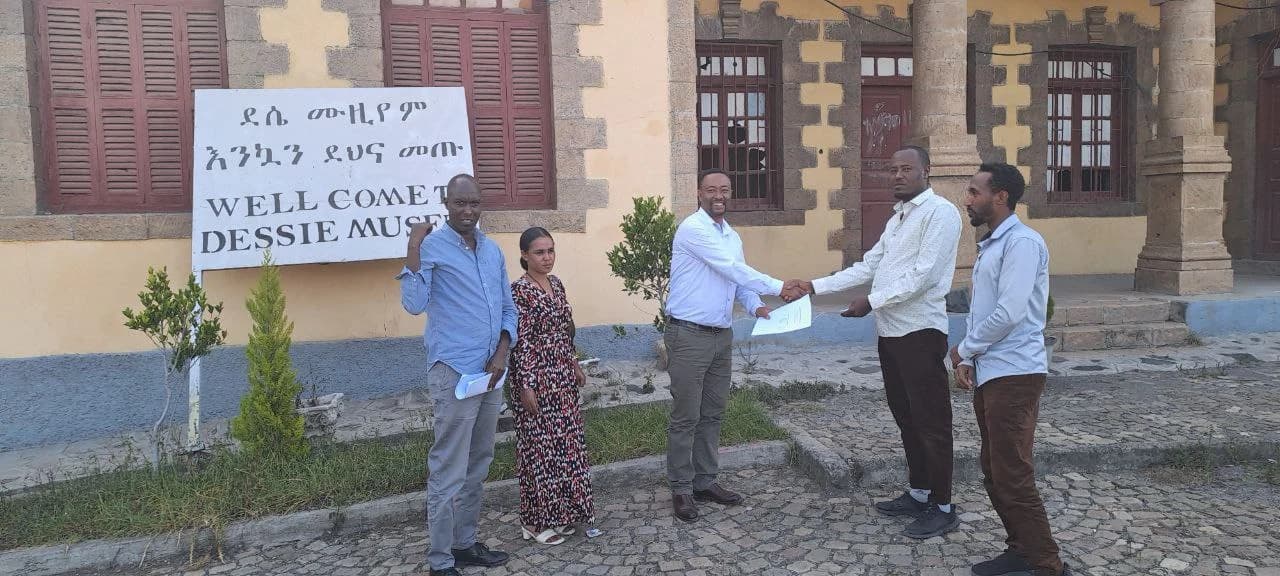
- In addition, each object was assigned a standardized accession code, and its precise location within the museum was identified. These improvements significantly enhanced the organization and management of the museum's collection and contributed to the museum receiving a national accreditation certificate from the National Museum/EHA.
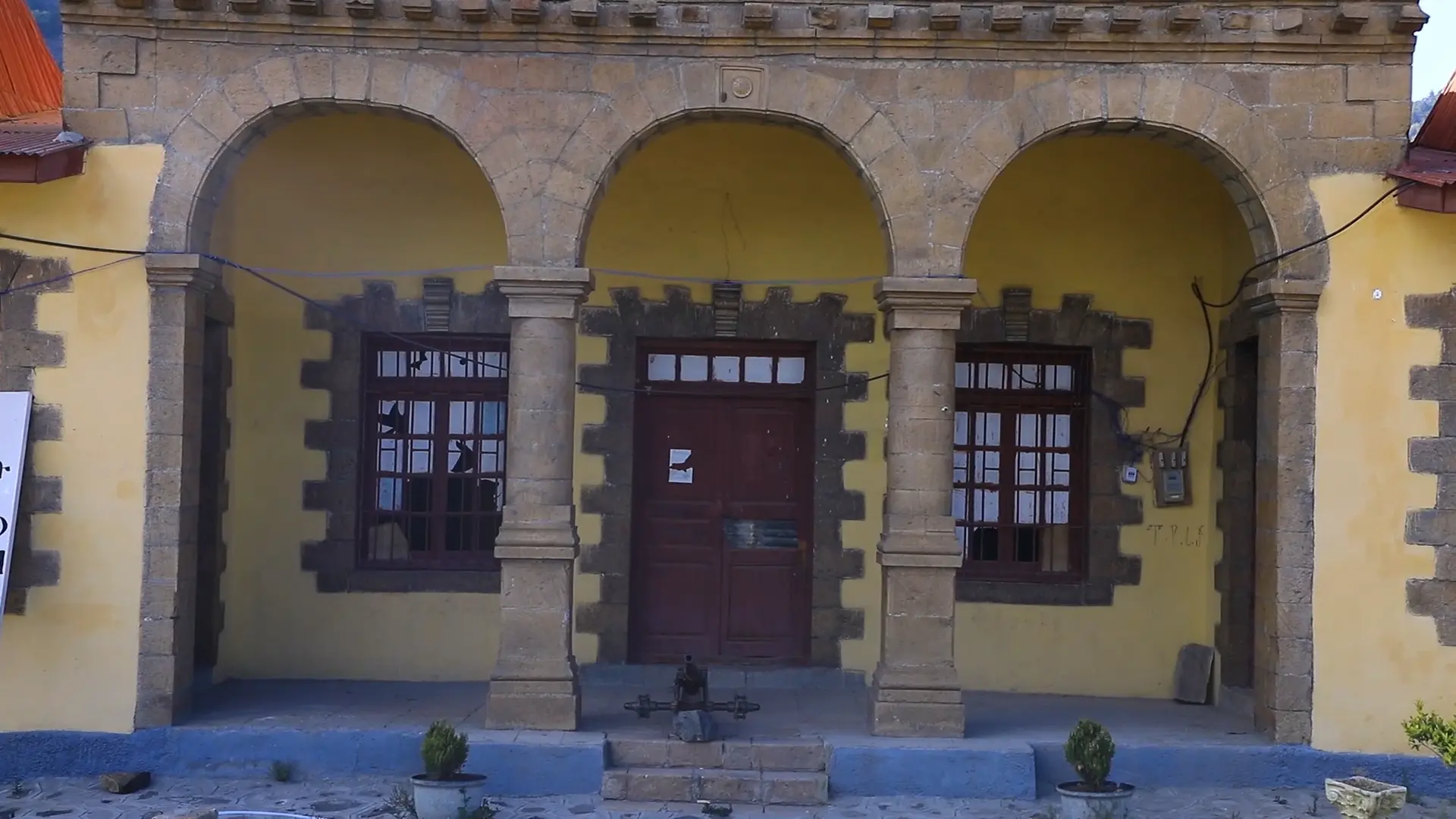
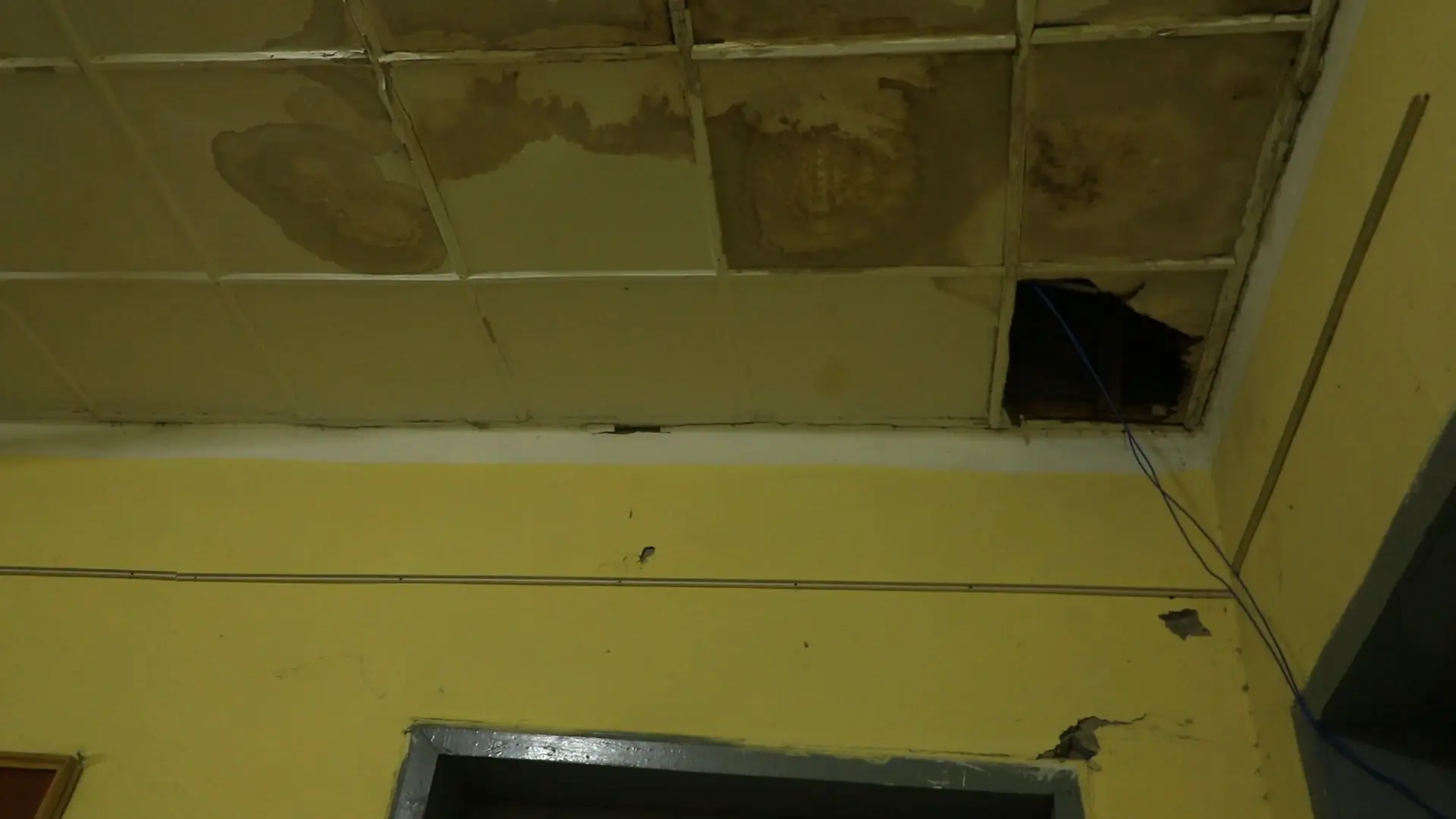
Before Renovation
Capturing the museum's original state before the comprehensive renovation project began
test
Stay Updated on Our Progress
Subscribe to our newsletter for renovation updates and special announcements.